(BPT) – PVC pipe is one of the most common and popular options for providing communities and homes with clean, safe drinking water. In fact, it’s been in use around the world for more than 70 years. Whether as a replacement for aging infrastructure around the country or for new homes and communities, PVC pipe is a viable, cost-effective solution.
Wondering about PVC pipe? Here are some frequently asked questions, many of which are referenced in the recently published Second Edition of Hanser Publications’ PVC Handbook. Designed for a diverse audience of users, the handbook offers an industry standard on all aspects of PVC makeup and manufacturing.
Q: Is PVC pipe safe for drinking water?
A: According to the PVC Handbook, PVC pipe is absolutely safe for drinking water, and government regulations make sure of it year after year. The U.S. Environmental Protection Agency (EPA) requires that all pipes used for drinking water, PVC included, comply with the rigorous NSF International standard, NSF/ANSI 61: Drinking Water System Components – Health Effects. NSF International uses exhaustive testing methods to establish independent standards to ensure the safety of drinking water.
Q: Does PVC pipe melt in wildfires?
A: This is a common misperception. Because most PVC water supply pipe is buried underground to a sufficient depth, it’s not exposed to that level of fire in a wildfire situation that will destroy the pipe or impair its functionality. In general, the molecular structure of PVC prevents the material from ever truly melting to a liquid condition, but it does soften enough at hot temperatures used in extrusion processes to be able to form the PVC into pipe.
Q: Does PVC pipe degrade or release chemicals when exposed to disinfectants?
A: Water utilities use chlorinated disinfectants to kill harmful bacteria, such as E. Coli, in drinking water. PVC pipe is inherently resistant to chlorinated disinfectants due to the polar nature of the polymer. The fact that PVC pipe is so widely used for drinking water service and its longevity for use in the presence of disinfectant byproducts is testimony to its chemical resistance.
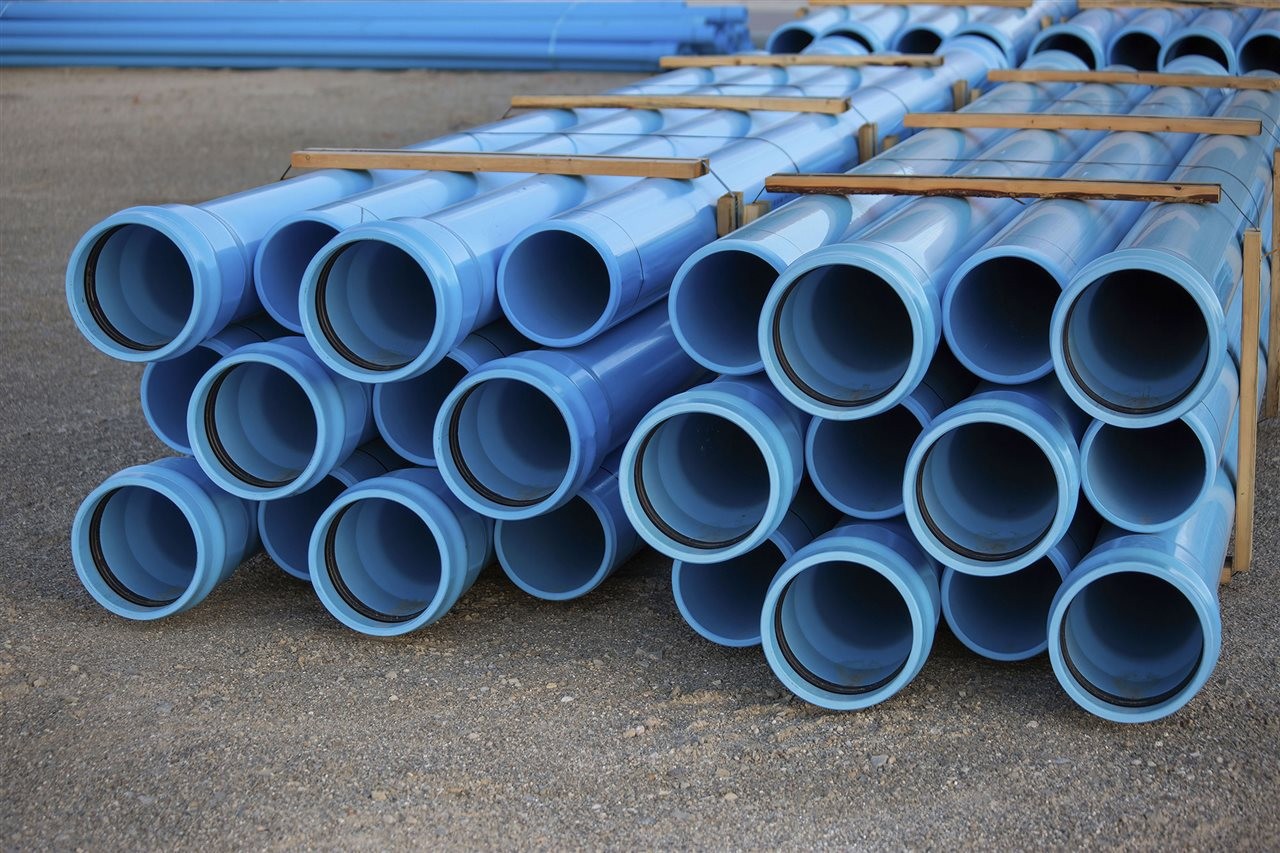
Q: How long does PVC pipe last?
A: Testing of in-service water systems from around the world shows that PVC pipes have a service life in excess of 100 years. In fact, a 2023 report on water main breaks in the U.S. and Canada by Utah State University found that PVC pipe has the lowest overall failure rate compared to three other commonly used piping materials.
Q: Does PVC pipe become brittle with age or cold temperatures?
A: According to the PVC Handbook, samples of pipe have been extracted after being in the ground for 70 years, and they have retained enough properties to meet the performance standards required of the original pipe. PVC pipe retains its functionality in cold temperatures and has been successfully used in various climatic regions around the world.
Q: Is PVC pipe heat resistant?
A: In general, PVC pipe is pressure rated up to 140 degrees. Hot water lines use CPVC pipe, which is code-approved for use in homes and pressure rated up to 180 degrees. In extreme conditions like a house fire, PVC pipes behind the walls are typically not exposed to the intense heat of the fire until the home is fully engulfed. It will take sustained heat and fire to cause it to sag or lose strength.
Q: Is PVC pipe environmentally sustainable?
A: PVC pipe has several attributes that contribute to its sustainability. From a life cycle and carbon footprint perspective, an assessment by Sustainable Solutions Corporation revealed that PVC pipe has lower environmental impacts — lower embodied energy, lower use-phase energy and longer life attributes — compared to pipe used in equivalent applications made from materials like iron, cement and clay. When considering the impacts throughout the product life cycle, PVC pipes require much less energy to manufacture and transport, and they can operate for more than a century and need fewer replacements over their lifetime.
Finally, while PVC pipe materials are formulated to be durable, they also have the potential to be reused or recycled at the end of their life. Thanks to ongoing efforts by manufacturers and the industry as a whole, there is a strong and growing market that enables the reuse of these valuable materials to make new durable products.
All U.S. producers of PVC resins are certified either Gold or Silver in the Vinyl Sustainability Council’s +Vantage Vinyl™ program. +Vantage Vinyl-verified companies are the industry’s sustainability leaders actively working to improve their sustainability performance in each of the industry’s impact categories — resource efficiency, emissions, and people & community. Their sustainability efforts are verified by GreenCircle Certified, an independent third-party.
Communities rely on PVC pipe
Whether replacing aging infrastructure or providing clean water in new homes, PVC pipes provide a durable, reliable and safe solution. To learn more, visit www.vinylinfo.org.
Ned Monroe is CEO of the Vinyl Institute.