(BPT) – Building a deck is one of the best home improvement investments you can make. Homeowners are able to recoup about 95% of the cost of building a new wood deck and 89% of a composite deck when they sell their home, according to the latest Cost vs Value Report published by Journal of Light Construction. But no matter which material you choose, there are steps you can take during the deck-building process to ensure maximum enjoyment and return on investment (ROI).
Your Investment Needs Protection
With several composite decking options on the market, homeowners today have access to high-performance deck boards warrantied to last for decades. But most deck substructures are still built with wood. Without proper protection, these wooden components can begin to show signs of decay in as little as eight years.
Wood is highly susceptible to damage from the outdoor elements — mainly moisture from rain, snow, and humidity. When a deck’s joists and beams are exposed, water can seep in, causing wood to rot and screws to rust, ultimately accelerating structural deterioration. The natural expansion and contraction of wood can also cause beams to split and weaken over time.
A decayed or deteriorating deck substructure is a major safety concern and can be timely, expensive, and frustrating to repair. When building a deck, keep the following tips in mind to ensure you can enjoy your deck safely for years to come.
1. Apply Deck Flashing Tape
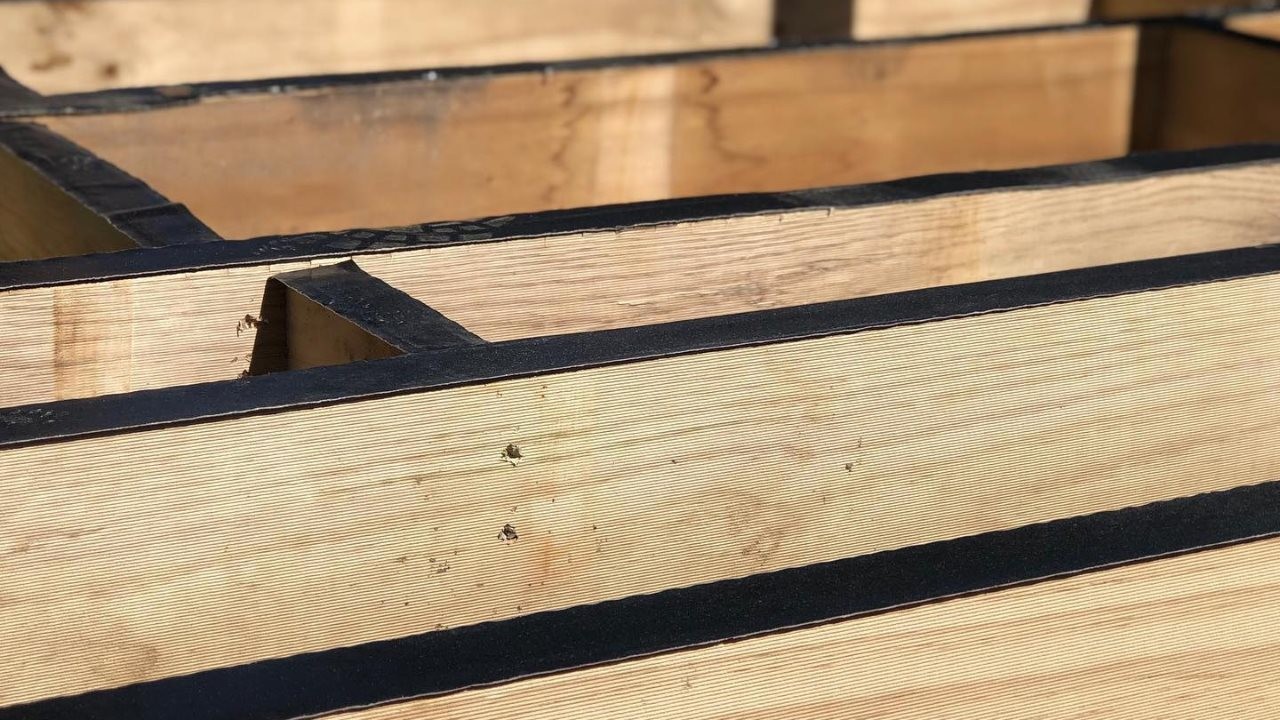
Use a high-quality deck flashing tape — sometimes called deck joist tape or joist flashing tape — such as Trex® Protect to protect the top of the joists, beams, and rim joists from developing rot and wood decay. Flashing tape helps keep water out and seals around screw holes, metal fasteners, and hidden deck fasteners to prevent cracks and corrosion.
This simple step is effective and affordable. To protect an average 20×12-foot deck with flashing tape typically costs around $150, making it a no-brainer for homeowners who want a substructure that lasts as long as the decking it supports.
2. Select Long-Lasting Materials
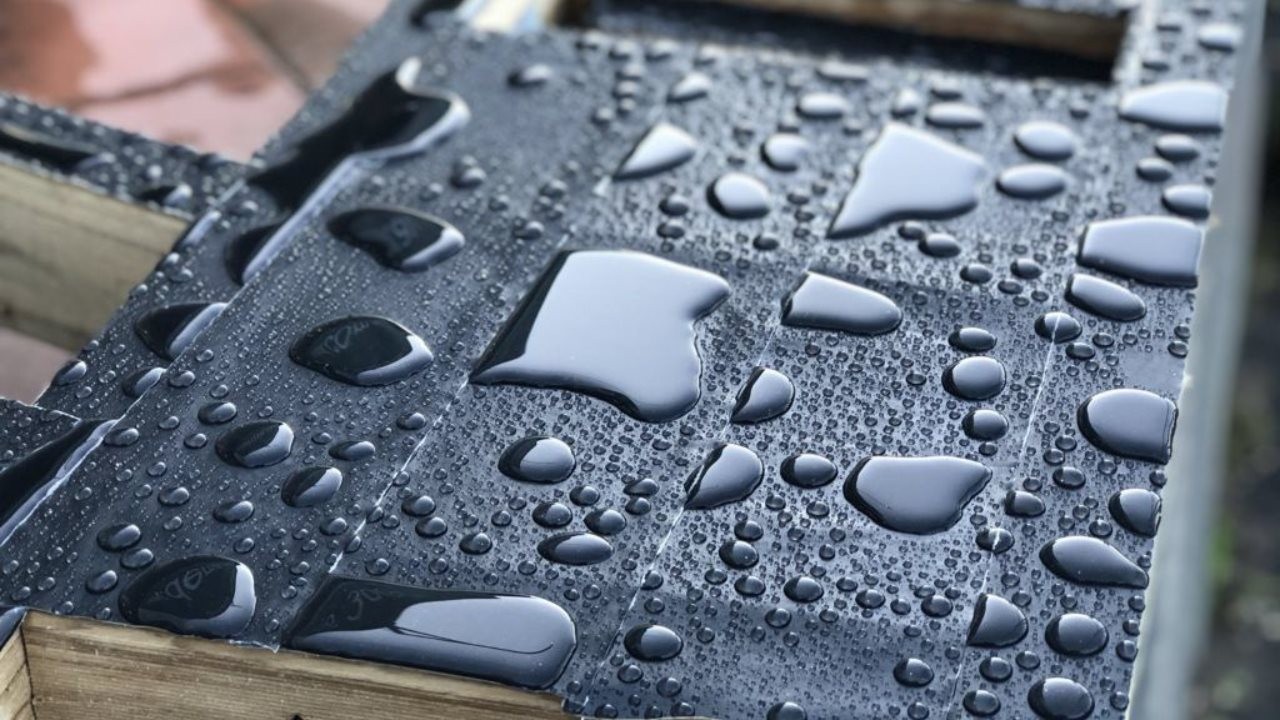
There are two primary options when it comes to deck flashing tapes — asphalt-based and butyl. While asphalt-based tape is typically less expensive, it tends to dry out more quickly, curl up, and hold water. Butyl tape is stickier and performs better in a wider range of temperatures. Its pliable structure also allows it to create a tighter seal around screws, blocking out more moisture than asphalt-based tape.
3. Protect Multi-Level Decks
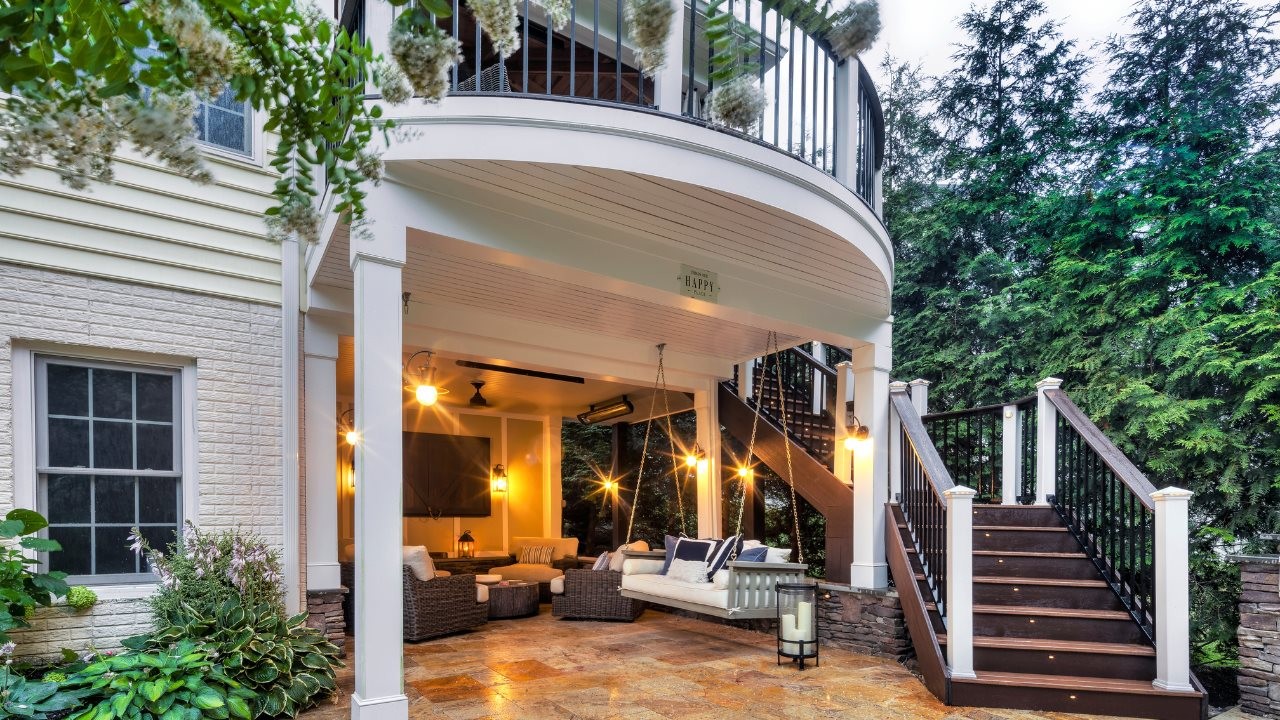
Consider adding a drainage system to protect elevated decks from moisture. For maximum protection, select an above-joist system, like Trex® RainEscape®, to help keep water away from the entire substructure and reduce long-term damage.
Deck drainage systems also allow homeowners to double their outdoor space by keeping the area beneath the deck dry. In doing so, it becomes usable for storage or as additional living space that can be outfitted with everything from furniture and lighting fixtures to ceiling fans, gas lines, and entertainment components.
The best outdoor living spaces are the ones you get to enjoy fully. Prioritize longevity and functionality when making building decisions to ensure you get the most out of your deck. For more information, visit TrexRainEscape.com.

